
Artist: Ebony Whitson – Project Pitch It Season 10 Episode 2

WWP Design & Decor’s Ebony Whitson was chosen to participate in the 10th Season of Project Pitch It. Her designs and preservations using iCoat Epoxy blew away the judges, and she won the top prize.
How to fix crystallization in cold epoxy—it’s an easy fix

Cold temperatures can affect Part A of the epoxy, causing it to crystallize. No worries—it’s an easy fix. Plus, how to build a Heat Box to Warm Epoxy.
The Art and Heart of Wildflower Preservation
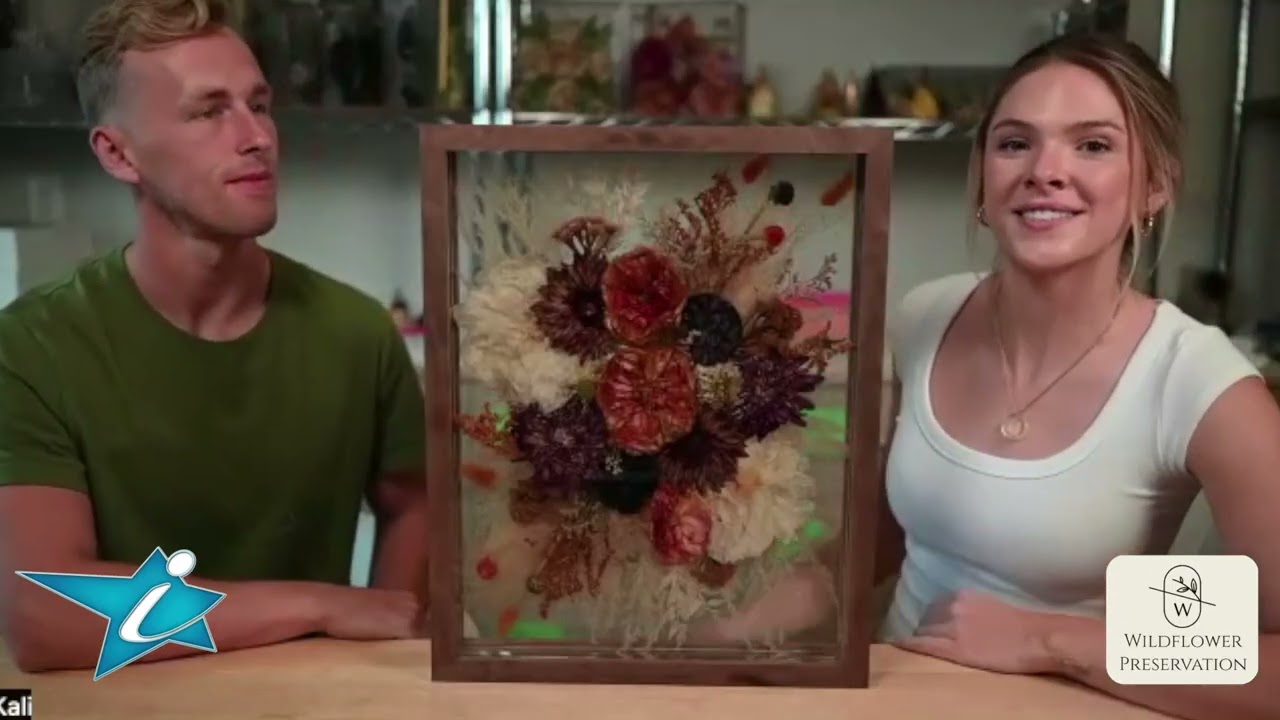
Wildflower Preservation presents its Hyacinth Frame, flowers preserved in iCoat museum-quality epoxy. Their booming business was just featured on the Resin Mastery podcast, Episode 25. Link: https://rss.com/podcasts/resin-mastery-exploring-icoat-epoxy/ Tags: Flower Preservation, epoxy, epoxy resin, museum epoxy, best epoxy resin, casting epoxy, wildflower preservation https://icoatepoxy.com/product/icoat-casting-epoxy-hv/
Resin Mastery: Exploring iCoat Epoxy

Preventing Dust and Bugs form getting into your epoxy resin

This is a great tips to keep bugs and dust out of your epoxy resin masterpiece without affecting temperature.
How to Correctly Warm Epoxy Resin Before Mixing – Get the job done right!

Getting your epoxy to the right temperature and checking it is correct isn’t rocket science, but you won’t believe how many people still get this wrong and it causes bubbles and bad results. Tim from iCoat shows you the right way to do it.
How iCoat Tests Every Batch of Epoxy So You Get Superior Results
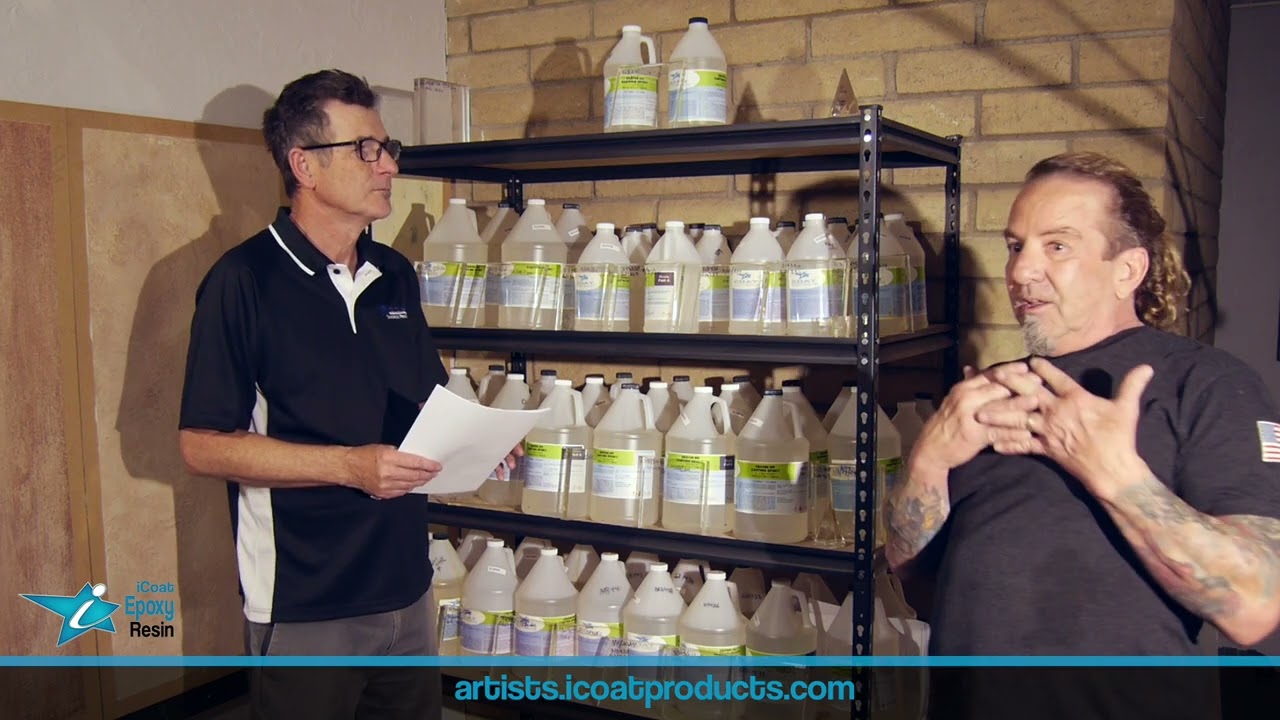
In this episode, the hosts visit iCoat’s offices to explore the rigorous quality control and production processes behind their epoxy resin products. The focus is on the steps taken to ensure every batch of resin is consistent, reliable, and meets high standards for both performance and safety. The discussion covers sourcing of raw materials, extensive testing protocols, batch retention for traceability, best practices for users, troubleshooting common issues, and the importance of maintaining controlled production environments. It’s no wonder iCoat is the clear industry leader in quality epoxy resin products. Important Notes and Points: * iCoat sources all raw materials from the United States to ensure quality and avoid issues associated with cheaper, less regulated imports from countries like India and China. * Extensive testing is performed before, during, and after production, including drawdown and bubble release tests, to ensure batch consistency. * Each batch is tested before bottling and again after bottling, with samples (retains) kept for at least a year and records maintained for up to five years for traceability. * Testing includes casting samples in various molds to check for bubble release and clarity without using vacuum chambers or heat, relying on the resin’s natural properties. * Production and testing are conducted in a controlled environment (72°F, controlled humidity) to minimize variables and ensure consistent results. * Users are encouraged to replicate these controlled conditions in their own studios using heating mats, dehumidifiers, or air conditioning as needed. * All epoxies will amber (yellow) slightly over time, but using high-quality, clean raw materials and UV-resistant additives minimizes this effect. * iCoat’s products meet LEED Platinum standards and are food-grade/USDA approved, ensuring safety for food contact and environmental responsibility. * Proper storage and prompt unboxing of finished pieces are important to prevent premature aging or yellowing of resin projects. * Troubleshooting customer issues involves pulling retained samples from the relevant batch and recreating the customer’s conditions to diagnose problems, which are often due to user error such as incorrect mixing ratios or improper measuring tools. * Maintaining accurate mixing ratios is critical; for their one-to-one epoxy, both parts must be equal by volume, not weight, as the components have different densities. * Small deviations (up to 5%) in mixing ratios are generally acceptable, but larger discrepancies can cause curing issues. * Warming resin before mixing (ideally to 80°F) reduces viscosity, making mixing easier and improving bubble release, but overheating should be avoided. * Mixing techniques, such as using a drill mixer and ensuring thorough blending, are recommended for best results. * The expected lifespan of a resin project depends on storage conditions and user handling; samples from as far back as 2019 still show excellent clarity and durability when properly stored. This episode provides a comprehensive look at how iCoat maintains high standards in resin production and offers practical advice for both professionals and hobbyists to achieve the best results with their products.
Epoxy Bubbles Due to Crystalization – How to Remove Them.

If you find you are getting more bubbles than you expect in your epoxy it can be due to crystalization in the part A. Tim explians how this can happen and how to easily fix the problem.
What Tools Do I Need To Work With Epoxy Resin?

Tim from iCoat explains all the different tools you are going to need to work with epoxy resin and make incredible things like #flowerpreservation or #weddingbouquets in resin for keepsakes. We do not touch on molds as that is a personal preference. https://icoatepoxy.com/tools-of-the-epoxy-resin-trade/
Are you using the right type of colors in your epoxy resin?

At iCoat, we are a leader in specialized epoxy for flower preservation, coasters, jewelry, live-edge, tables and more. When you are using the wrong color options in your epoxy a lot can go wrong. It needs to be formulated for the job at hand. Tim explains the color options to create any color and effect and get the job done right. #paintingflowers #flowerpreservation #floralpreservation #coloringflowers #driedflowers